
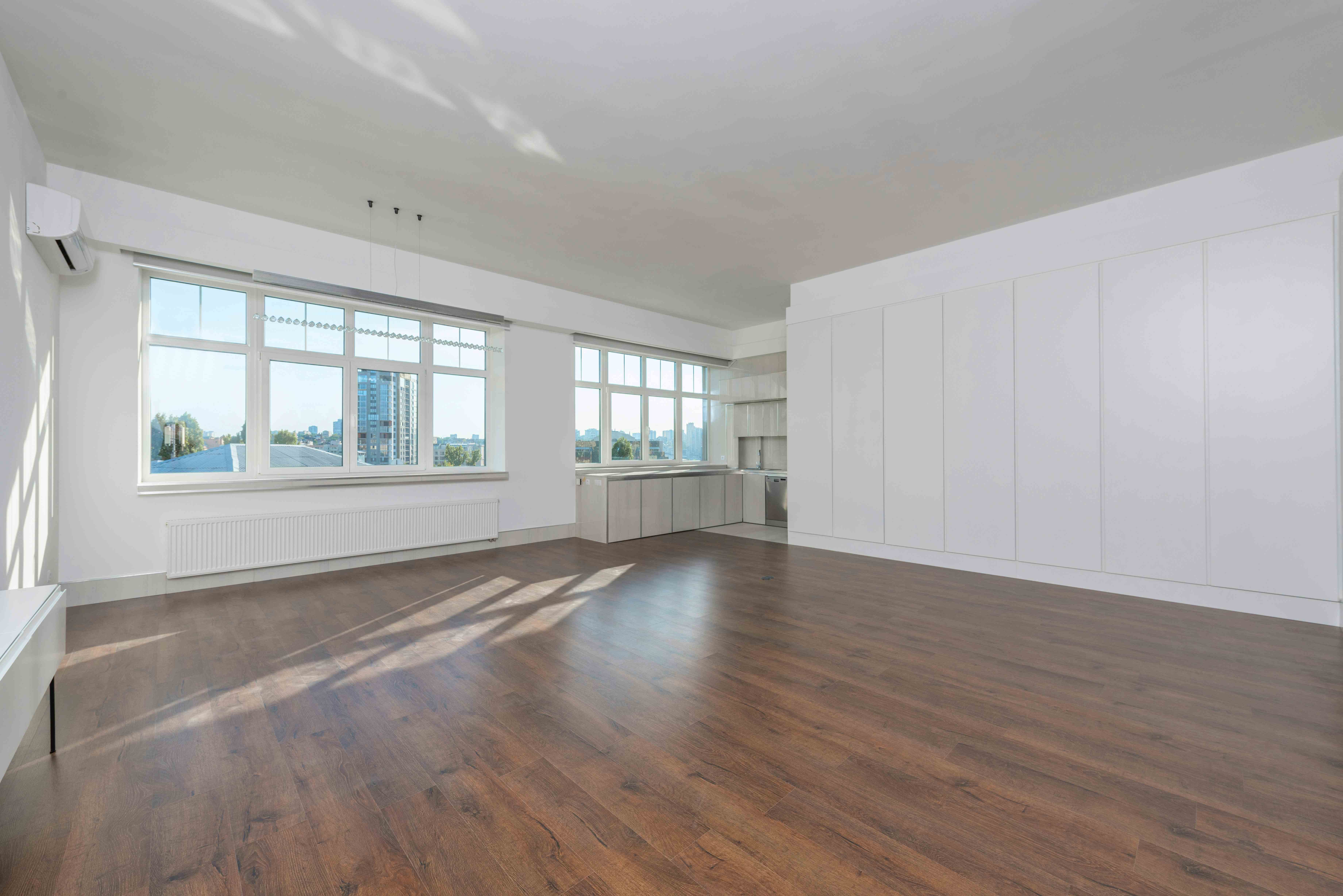

Every Spring and Summer in Chicago we see more renter competition, faster leasing, and higher rents. If you have tenants with leases ending between September and March, you’re more likely to lose income to extended vacancies due to the slow winter market. (If you're a renter, you can work with your landlord to negotiate mutually beneficial terms for extending.)
Our team works with hundreds of building and unit owners to help them avoid income loss and keep cash flowing more consistently throughout the year. In this playbook, we're sharing a few of our most useful practices to help maximize property income:
✔ 1. Take time to plan ahead every fall
- Align lease expirations with the Spring Cycle for stronger rents
- Audit your lease end dates to spot seasonal risks
- Craft renewal offers that tenants are more likely to accept
✔ 2. Make the best of it if you’re already facing a vacancy
- Market effectively when a tenant won’t renew
- Turn winter downtime into an upgrade window to boost future rent
✔ 3. Stay ahead year after year
- Follow a seasonal action plan to keep properties full
- Track market conditions and adjust your strategy
- Use our free owner tools (checklists, templates, planners) to simplify the process
Take time to plan ahead every fall
Use the Spring Cycle as Your Best Defense Against Winter Vacancies
What it is: A lease cycle where expirations fall in March or April, right before peak demand.
Why it works: Spring renters face more competition, meaning units lease faster and for better prices.
How to get there: Use renewal offers and custom lease terms (6 or 18 months) to shift expirations into the spring window.
Audit Your Lease End Dates Like a Pro
Pull all lease expirations between September and March.
Prioritize renewals for October and November first—these dates are hardest to fill if vacant.
Plan ahead: If a tenant won’t renew, begin marketing 60–120 days before move-out.
Choose a path:
• Tenant staying → send a renewal offer that lands in spring.
• Tenant leaving → prep photos, showings, and listing copy now.
Craft Renewal Offers Tenants Want to Accept
Short Extension to Bridge Winter
“Stay through March at your current rent.”
Avoids a winter vacancy and resets your timing for spring.
Full Reset to the Next (or Following) Spring
“Sign through April at a modest increase (example: +$100/month).”
Gives stability now and positions the next turnover for peak demand.
Pro Tip: Keep the message short, personal, and framed around convenience—most tenants want to avoid moving in winter too.
Make the best of it if you’re already facing a vacancy
If Renewal Fails, Market Like Timing Is Everything
• Photography: Seasonal, professional, and bright.
• Listing copy: Emphasize hyper-local details, not just features.
• Showings: Offer flexibility and consider grouped tours to create urgency.
• Pricing: Competitive winter pricing helps fill sooner; adjust if interest grows.

Treat a Vacancy as a Value-Boosting Window
Winter downtime can set you up for stronger spring pricing. Focus high-ROI improvements:
• Fresh neutral paint
• Bright lighting upgrades
• Cabinet hardware refresh
• Re-caulk and re-grout
• Deep cleaning throughout
• Entryway and exterior touch-ups
Stay Ahead Annually
Follow a Seasonal Action Plan
This Week
• Run your lease audit.
• Draft two renewal offers.
• Prep your outreach templates.
Next 2–4 Weeks
• Send offers in priority order.
• Contact JS Group to build a marketing or refresh strategy for vacancies.
• Order upgrade materials.
If Already Vacant
• Complete a two-week refresh.
• Contact the JS Group to List and start showings with weekly check-ins.
Keep an Annual Market Snapshot to Guide Decisions
Market Snapshot: Winter vs. Spring
Chicago’s multifamily rental market follows a seasonal rhythm. Vacancies rise in the winter when leasing activity slows, while spring brings stronger demand, lower vacancies, and faster rent growth.
Seasonal Market Snapshot (2025):
• Winter: Vacancy Rate 6.0% | Average Rent $1,850/month | YoY Rent Growth 2.5%
• Spring: Vacancy Rate 4.5% | Average Rent $1,920/month | YoY Rent Growth 3.8%
These trends are consistent with published data from:
• Chicago Rental Market 2025: Why Rents Are Soaring — CreConsult, July 21, 2025
https://creconsult.net/chicago-rental-market-2025/
• Chicago Metropolitan Agency for Planning, Housing Vacancy Report — May 2025
https://engage.cmap.illinois.gov/26867/widgets/95753/documents/70179

Takeaway for Chicago property owners:
Winter vacancies are more costly, with slower rent growth and higher downtime risk. By positioning leases to expire in spring, you can capture stronger rents and reduce the chance of sitting empty during the slower winter season.
Key Lesson: The Right Timing Protects Your Income
Avoiding winter vacancies is about planning, not luck. When you shift expirations into spring, market early, and invest in small upgrades, you protect your cash flow and increase your property’s value.
We work with Chicago 2–4 unit owners year-round to do exactly this—whether the goal is smoother lease timing, higher rents, faster fills, or preparing to sell. Schedule a strategy session for an expert plan tailored to your building.
Next Step: Book a Complimentary Consultation
Instead of generic downloads, we work one-on-one with Chicago property owners to tailor strategies for their building. In a 1:1 strategy session, we can cover:
• Lease Audit Review: walk through your expirations and plan renewals to avoid winter vacancies
• Renewal Offer Strategies: tenant communication options that align with the spring cycle
• Vacancy Marketing Plans: map out how to market early and effectively if a tenant won’t renew
• Unit Upgrade Guidance: pinpoint the top improvements that boost rent without overspending
📅 Book a strategy session with our team to get started.
Chicago Property Tax Increase: What Residential Owners Should Review