
8 Everyday Perks That Make Wicker Park Easy to Love Year-Round
Some neighborhoods impress you on a sunny Saturday. Wicker Park earns its fans on ordinary Tuesdays, icy commutes, quick coffee runs, and last-minute dinner plans. That is what makes it so easy to love year-round: the daily rhythm feels convenient, creative, and comfortably lived-in. For buyers exploring Chicago neighborhoods, this pocket of the city offers more than trend appeal—it delivers a lifestyle that stays rewarding in every season.
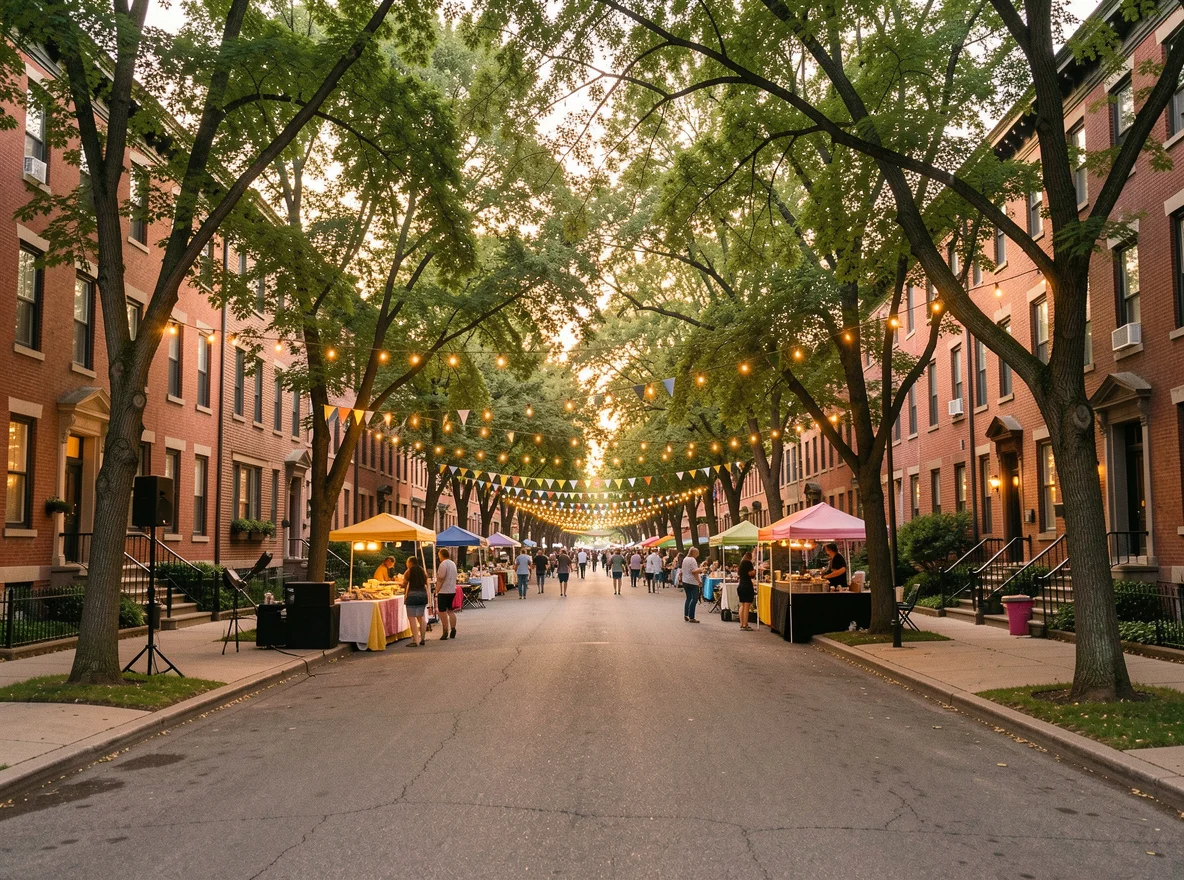
1. Walkability that actually changes your day. In Wicker Park, it is easy to build a routine without feeling tied to your car. Groceries, casual bites, fitness studios, green space, errands, and evening hangouts are often just a short stroll away. That kind of access sounds simple, but it adds up fast: less time driving, fewer logistical headaches, and more freedom to be spontaneous.
2. Transit that keeps the rest of Chicago within reach. The Blue Line is a huge part of the neighborhood’s staying power. Residents appreciate being able to move between home, the Loop, and O’Hare without turning every plan into a transportation puzzle. For professionals, students, and frequent travelers, that connectivity gives Wicker Park a practical edge that feels just as valuable in January as it does in July.
3. A real mix of housing styles. One of the area’s biggest strengths is visual and architectural variety. You will find classic brick walk-ups, vintage condos, handsome two-flats, newer developments, and single-family homes tucked onto quieter streets. That blend creates a neighborhood that feels layered rather than one-note, and it gives buyers a range of options depending on whether they want historic detail, turnkey finishes, investment potential, or room to grow.
Why the Lifestyle Feels Balanced
4. Energy without constant chaos. Wicker Park has buzz, but it also has breathing room. That balance matters. There are lively corridors where you can meet friends, catch live music, or enjoy a packed social calendar, yet there are also residential blocks where the pace slows down and the architecture takes center stage. Many buyers are drawn to neighborhoods that feel exciting at first glance; the ones who stay tend to choose places that also feel sustainable. Wicker Park does both.
5. Green space and everyday outdoor breaks. The neighborhood’s parks, side streets, and nearby trail connections help city life feel less compressed. Even a short walk with a dog, a weekend trip to a local park, or a bike ride can reset the day. In warmer months, patios and public spaces add extra life to the area. In cooler weather, those same tree-lined blocks and neighborhood parks still provide a welcome sense of openness in the middle of the city.
6. Food and social options that keep routines interesting. One of the underrated perks of living here is not having to over-plan your free time. Whether you want a low-key weeknight dinner, a polished date night, a late breakfast, or somewhere to meet friends after work, the neighborhood gives you options. The variety supports real life, not just special occasions. You can keep your favorites on rotation and still find something new around the corner.
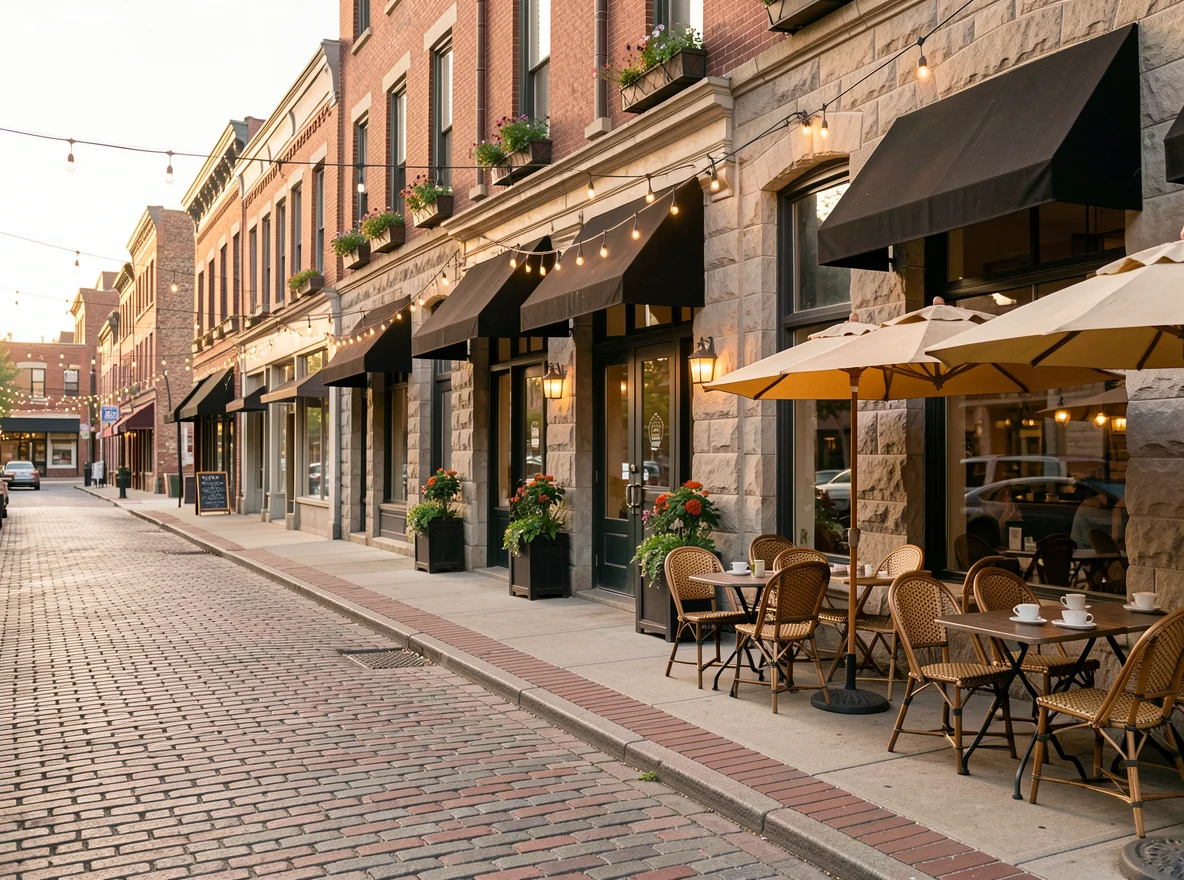
7. A neighborhood identity that feels distinct. Wicker Park has style, but it is not trying too hard. Its appeal comes from the blend of old Chicago character and contemporary city living. Murals, music, design-minded spaces, and independent local flavor give the area personality without making it feel inaccessible. That sense of identity is part of why residents develop loyalty to the neighborhood: it feels memorable, but also livable.
8. Long-term appeal for buyers and owners. From a real estate perspective, this is one of those neighborhoods where lifestyle and value often reinforce each other. Demand tends to be supported by location, transit access, established housing stock, and broad buyer interest. For first-time buyers, move-up clients, and investors alike, that can make Wicker Park especially compelling. Team members at JS Group Chicago understand how to evaluate both the emotional side of a home search and the practical side, drawing on experience with traditional residential transactions as well as multi-family properties.
What Buyers Often Notice First
Many people come for the atmosphere and stay for the convenience. A block can shift from lively to peaceful in a matter of minutes, which is a rare advantage in a high-demand urban neighborhood. Buyers also tend to notice how much the details matter here: the brick facades, the older trees, the porches, the mix of long-time residents and newer arrivals, and the way local businesses and public spaces help the area feel active without losing its residential backbone.
For families, young professionals, and downsizers alike, the neighborhood can work in different ways. Some are prioritizing commute times and walkability. Others want a stronger sense of community, nearby recreation, or access to highly desirable housing close to the city core. Wicker Park’s flexibility is part of its year-round charm—it does not ask everyone to live the same lifestyle. It gives residents room to shape their own.
That is also where experienced local guidance matters. Backed by the Berkshire Hathaway HomeServices Chicago network and grounded in Chicago-focused market knowledge, JS Group Chicago helps clients look beyond hype and focus on fit. In a neighborhood as dynamic as Wicker Park, the right home is not just about square footage or finishes. It is about how the block feels, how the commute works, how the home might appreciate over time, and how naturally it supports the life you want to build.
The Kind of Place That Holds Up in Every Season
The best neighborhoods are not only exciting during peak patio weather or holiday weekends. They keep delivering when life is busy, when the forecast is gray, and when you simply want your day to run smoothly. Wicker Park succeeds because its perks are not occasional—they are everyday advantages. From transit and housing variety to neighborhood personality and practical convenience, it offers the kind of Chicago living that feels just as good in February as it does in September. And that steady, year-round ease is exactly why so many buyers fall for it.