
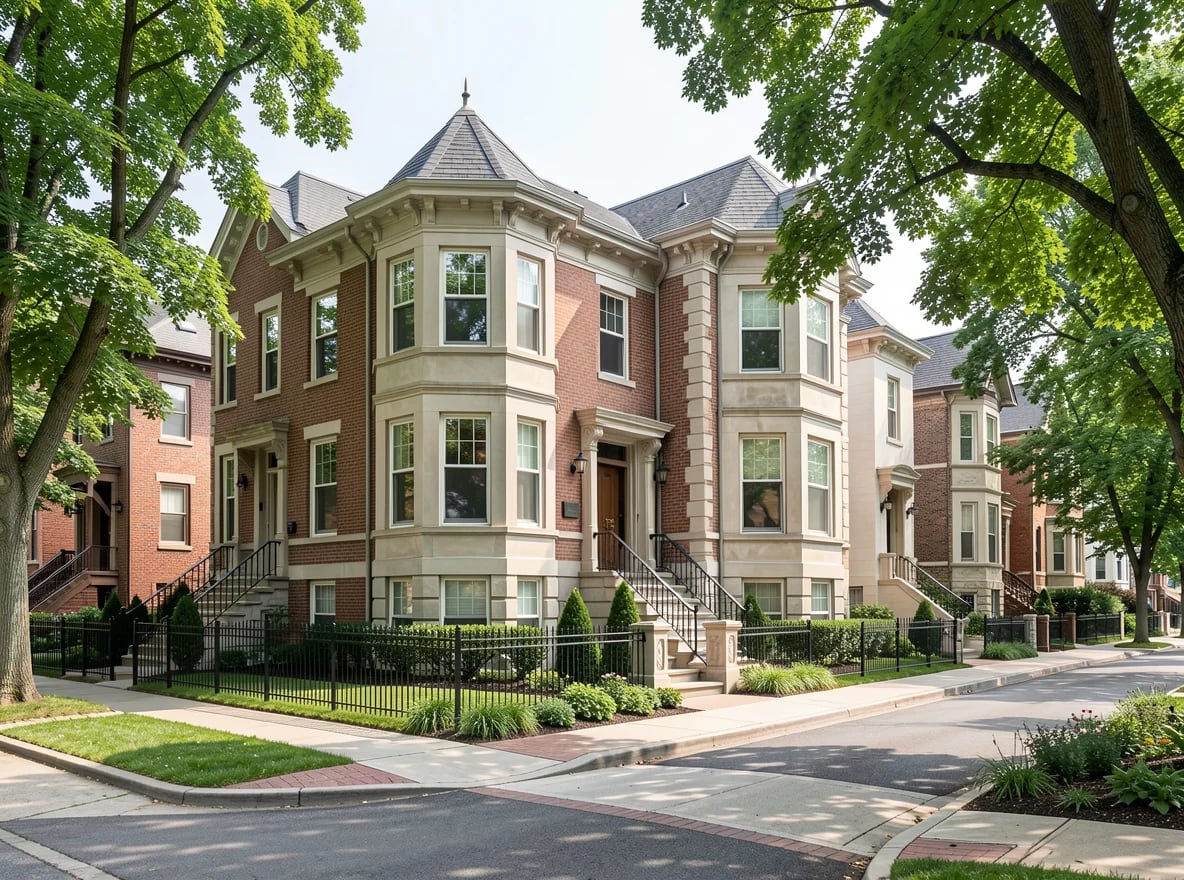
7 Smart First Moves for Buying a Condo in Your Target Market
Buying your first condo can feel equal parts exciting and overwhelming. Every neighborhood has its own rhythm, pricing patterns, building styles, and lifestyle tradeoffs. That variety is part of the appeal, but it also means buyers need a clear plan before falling in love with a polished kitchen, great natural light, or a location that seems perfect at first glance. A smart start helps you move with confidence instead of reacting to the market one listing at a time.

Move one: get crystal clear on your monthly comfort zone, not just your maximum approval. Condo ownership comes with more than principal and interest. You also need to factor in taxes, homeowner association dues, insurance, utilities, parking, and possible special assessments. In many condo markets, those costs can vary dramatically from one property to the next depending on the age of the building, amenities, and level of maintenance. A lender can tell you what you can borrow; a thoughtful budget tells you what you will still feel good about six months after closing.
Move two: understand the building as much as the unit. First-time buyers often focus on finishes, layout, and sunlight, which matters, of course, but condos come with shared financial and operational realities. Review association reserves, meeting notes, planned capital improvements, pet policies, rental rules, and the building’s history of maintenance. A beautiful interior loses some shine if the association is underfunded or if major repairs are looming. This is where experienced guidance matters: your agent or our team can help identify issues that newer buyers might not know to watch for.
Move three: define your ideal lifestyle before touring too many homes. Some buyers want a quieter residential setting near parks and daily conveniences. Others want to be close to dining, entertainment, transit, or a shorter commute. Some prioritize garage parking, elevator access, or extra storage, while others care most about outdoor space or a flexible layout for working from home. The more precisely you identify your priorities, the faster you can separate a beautiful listing from the right fit.
What to Study Before You Fall for a Listing
One of the smartest early steps is to look beyond listing photos and start reading the signals of the local market. How quickly are well-priced condos moving? Are sellers offering concessions? Which layouts tend to hold their value best? In competitive areas, pricing can reflect not just square footage, but building reputation, parking, outdoor space, monthly dues, and even the feel of the surrounding blocks. Small details often have an outsized effect on long-term value.
Move four: get pre-approved early and make sure the approval matches condo reality. Condo financing is not always identical to single-family financing. Some lenders look closely at owner-occupancy ratios, litigation issues, reserve levels, and association documents. A strong pre-approval, issued before you begin serious touring, sharpens your search and strengthens your offer. It also helps you act quickly when the right home appears, which matters in markets where standout units can attract immediate attention.
Move five: build a short list of non-negotiables and a separate list of nice-to-have features. Maybe in-unit laundry is essential. Maybe outdoor space is a bonus but not a necessity. Maybe you can compromise on cosmetic updates but not on natural light, bedroom count, or commute convenience. First-time buyers often benefit from this exercise because it prevents emotional decision-making. When every open house starts to blur together, your list becomes the filter that keeps you grounded.

It also helps to think realistically about lifestyle. Condo living appeals to a wide range of buyers because it can blend neighborhood convenience with lower-maintenance ownership. Depending on the area, that may mean easier access to restaurants, shopping, recreation, transit, or cultural attractions. For some buyers, that means living close to everything they love. For others, it means choosing a slightly quieter location while still enjoying easy access to those amenities. The best condo is often the one that supports how you actually spend your week.
Move six: pay attention to resale strength even if you plan to stay for years. The unit you buy today will eventually become the property you sell. Ask yourself what the next buyer will value: a practical layout, updated systems, quality light, reasonable assessments, strong building management, and a location with enduring appeal. Not every condo performs equally over time. A savvy purchase balances your present wants with future marketability.
Another first move many buyers overlook is assembling the right team before they need urgent answers. Working with a knowledgeable real estate professional can make the process smoother from day one. Local insight matters when comparing neighborhoods, evaluating pricing, reviewing association health, and negotiating in a nuanced market. Clear communication matters too, especially for first-time condo buyers who need practical guidance rather than generic advice.
How to Make a Confident Offer Without Rushing
Move seven: be ready to act decisively, but never blindly. Once you have done the early homework, your offer strategy becomes much stronger. You will know your payment comfort zone, your must-haves, your target building types, and the terms that matter most. That allows you to move fast when the right condo hits the market without skipping due diligence. Confidence comes from preparation, not pressure.
In practical terms, that means discussing contingencies, earnest money, inspection expectations, and timing before you are in a multiple-offer situation. It means understanding when a clean, well-structured offer can matter as much as price. It also means having your agent help interpret seller motivation, recent comparable sales, and building-specific concerns. In any market with a mix of older charm and newer inventory, the details behind the listing are often what determine whether a purchase feels smart two years later.

For many buyers, a first condo represents more than a first purchase. It is a chance to build equity, create stability, and put down roots in a community that fits their lifestyle. Whether you are drawn to a classic building in an established neighborhood or a more contemporary unit with modern amenities, the goal is the same: buy with clarity, not chaos.
The smartest first moves are rarely flashy. They are the disciplined ones: budgeting carefully, studying associations, narrowing priorities, getting financing lined up, and working with professionals who understand the local market. Start there, and your condo search becomes less about guessing and more about recognizing the right opportunity when it arrives.